Free Shipping On Orders Over $100

Order by Phone - 1-866-618-5659

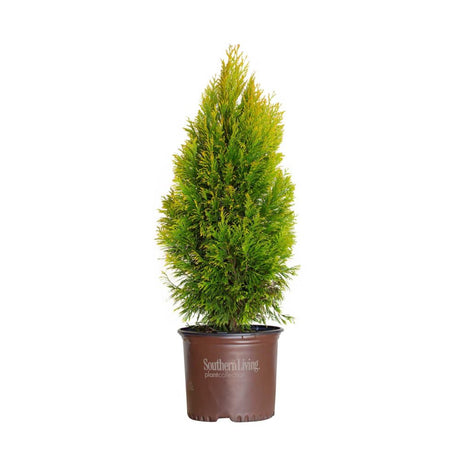
Sweet Olive Osmanthus (Fragrant Tea Olive)

$18.98
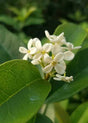
  • Highly fragrant blooms that range in color from orange to yellow to white
  • Matures to 6-8' wide by 10' tall
  • Hardy in USDA Zones 7 - 9
  • Plant in full sun to part shade
Pot size

Description

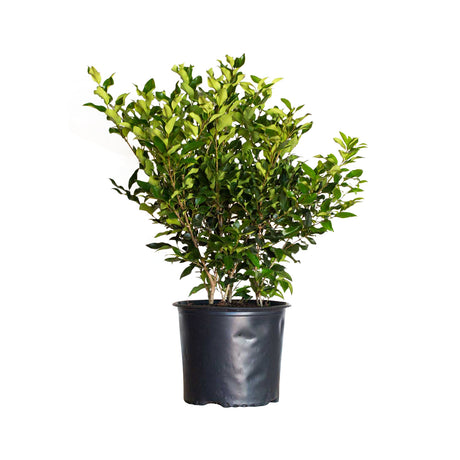
Sweet Olive Osmanthus, scientifically known as Osmanthus fragrans, is a highly regarded evergreen shrub or small tree native to Asia. It belongs to the Oleaceae family and is also known as sweet olive, tea olive, or fragrant olive. This osmanthus plant has beautiful, fragrant flowers and dense, glossy foliage.

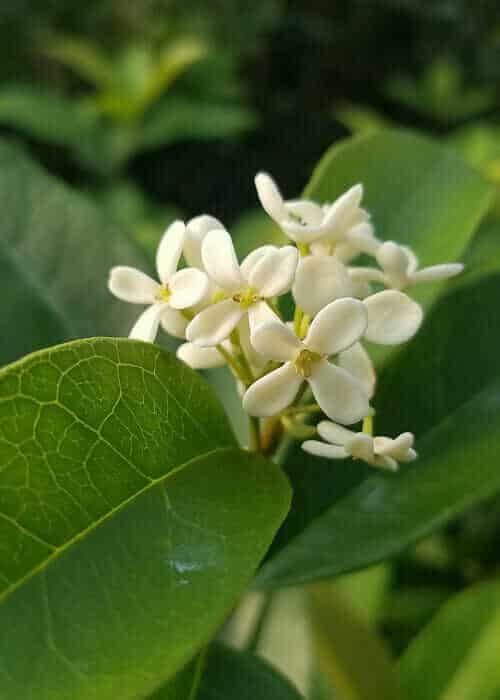
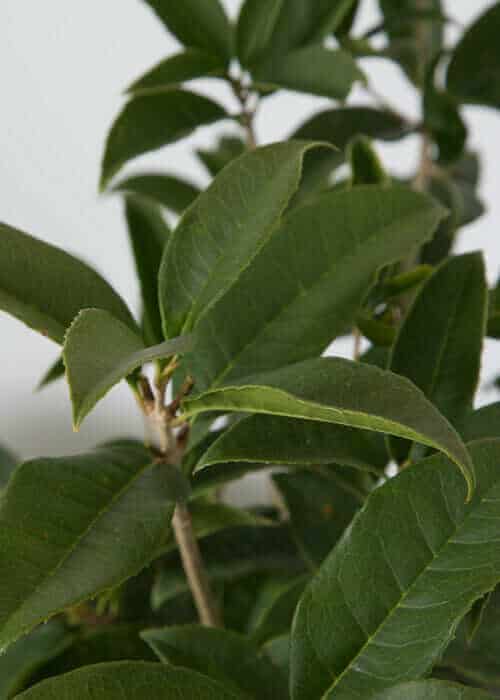
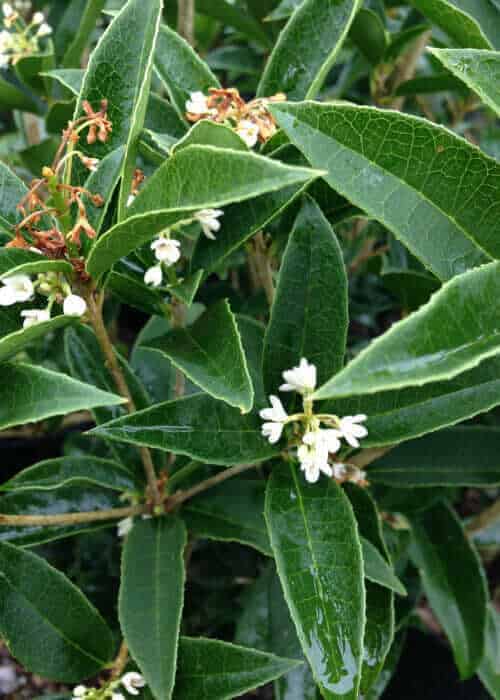
Typically reaching heights of 10 feet with a spread of 6 to 8 feet, the Sweet Olive Osmanthus boasts dark green, leathery leaves that are ovate. These leaves provide a striking backdrop to the plant's vibrant blooms. The small white or creamy flowers emit a strong, sweet scent reminiscent of ripe peaches or apricots, particularly in the evenings, attracting pollinators like bees and butterflies.

Sweet Olive Osmanthus Planting and Care

Choosing the right location is crucial for the growth and health of Sweet Olive Osmanthus. This evergreen shrub thrives in full sun to partial shade, so select a garden spot that receives at least 4-6 hours of direct sunlight daily.

Sweet Olive Osmanthus prefers well-draining soil that is slightly acidic to neutral. Before planting, prepare the soil by loosening it with a garden fork or tiller. Amending the soil with organic matter like compost can enhance its fertility and drainage.

Proper watering is essential for the success of your sweet olive osmanthus plant. Water the plant regularly, especially during dry spells, to keep the soil moist but not soggy. Aim to provide about an inch of water per week through rainfall or manual irrigation.

Fertilization is another key aspect of caring for Sweet Olive Osmanthus. In early spring, apply a balanced slow-release fertilizer, following the recommended dosage on the packaging. This will supply the necessary nutrients for healthy growth and vibrant blooms.

Pruning is necessary to maintain the shape and size of your Osmanthus sweet olive. It is best to prune this shrub after it has finished blooming in the spring. Remove dead, damaged, or crossing branches, and trim the tips to encourage bushier growth.

While Sweet Olive Osmanthus is generally resistant to pests and diseases, monitoring for any signs of trouble is still important. If you notice aphids, scale insects, or fungal issues, treat them promptly with organic insecticides or fungicides.

Sweet Olive Osmanthus Spacing Recommendations

Proper spacing is crucial for the optimal growth and aesthetics of Sweet Olive Osmanthus. Adequate spacing ensures that each plant has enough room to develop its full potential and prevents overcrowding.

To determine the ideal spacing for Sweet Olive Osmanthus, consider the plants' ultimate size. These evergreen shrubs can reach heights of 10 feet with a spread of 6 to 8 feet. Space them approximately 6 to 8 feet apart for adequate air circulation and sunlight exposure.

If you plan to use Sweet Olive Osmanthus as a hedge or privacy screen, closer spacing is required. Plant them 3 to 5 feet apart to encourage them to grow together and create a dense, uniform appearance. This closer spacing will also help to achieve a quicker fill-in of the hedge or screen.

Proper spacing promotes healthy growth and contributes to the overall beauty of your landscape. By giving each plant sufficient space, you allow them to showcase their natural form and grace. Proper spacing also allows for easy maintenance and reduces the risk of disease or pest infestation.

Benefits and Uses

Sweet Olive Osmanthus (Osmanthus fragrans) offers numerous benefits and uses in landscaping, attracting wildlife, culinary applications, and enhancing the aesthetics of gardens.

Landscape uses of Sweet Olive Osmanthus

With its dense, evergreen foliage and attractive flowers, Sweet Olive Osmanthus is a fantastic choice for landscaping. It can be used as a standalone specimen plant, a hedge, or a screen to provide privacy. Its compact growth habit and ability to tolerate both sun and partial shade make it suitable for various landscape designs.

Attracting wildlife with Osmanthus Sweet Olive

The fragrant flowers of Sweet Olive Osmanthus are highly attractive to bees and butterflies, making it a valuable addition to any wildlife garden. By planting Sweet Olive Osmanthus, you can create a habitat that supports pollinators and encourages biodiversity in your backyard.

Aesthetics and visual appeal in gardens

Sweet Olive Osmanthus is prized for its ornamental value and contributes to gardens' visual appeal. Its glossy, dark green leaves provide year-round interest, while the small, white flower clusters add elegance and beauty. Whether used as a focal point or as part of a mixed planting scheme, Sweet Olive Osmanthus brings charm and sophistication to any garden setting.

Care & Use

Getting Started: Understanding Your New Plant

Review your plant's information on our website or the tag that comes with it. Be mindful of sunlight preferences, soil type, and spacing needs.

Our plants are adaptable but grow best in the correct USDA Zones. Click here to learn more about your USDA Zone.

Planting Instructions

Dig a Hole

First, dig a hole three times the width of the root ball of your plant. This makes it easier for the root system to spread out quickly. Dig the hole deep enough that your plant will sit level with or slightly above the ground around it.

Amend Your Soil

Mix your native soil with rich gardening soil to provide extra nutrients and support plant growth. If your soil is clay-heavy, we recommend mixing your native clay soil with equal parts of Pine Bark mulch to improve drainage and the overall breathability of your soil.

Place Your Plant

Examine the roots. If they appear tightly bound, gently coax them apart; this ensures they can spread into the new soil. Place your plant in the hole so the top of the rootball is even with the surrounding soil—Backfill around it with the amended soil mixture. The roots need access to oxygen for your plant to thrive, so do not cover the rootball; place soil around it.

Mulch Your Plants

Top the soil beneath your plant with 3-4 inches of mulch to help it retain moisture. Be careful not to cover the rootball - your new plants roots need access to oxygen.

Water Your Plant

Soak the plant with a hose afterward to hydrate the plant, as well as get the soil and mulch situated. Develop a regular watering schedule based on your plant's needs and local weather patterns. Remember, over watering is just as, if not more, harmful than under watering.

Spacing Recommendations

Spacing Your Sweet Olive Osmanthus

For a seamless planting, plant your Sweet Fragrant Tea Olive Osmanthus 4-5+ feet apart. For space between shrubs space them 6-8+ feet apart.

  • Scientific Name
    Osmanthus fragrans
  • Hardiness Zone
    7, 8, 9
  • Sun Exposure
    Full Sun to Part Shade
  • Evergreen or Deciduous
    Evergreen
  • Features
    Aromatic, Attracts Birds / Butterflies, Flowering
  • Feature Color
    Green, White
  • Uses
    Hedge, Privacy Planting, Specimen, Accent
  • Water Needs
    Medium
  • Bloom Season
    Spring, Fall, Winter

Growing Zones : 7, 8, and 9

Map of USDA Zones 7-9