Free Shipping On Orders Over $100

Order by Phone - 1-866-618-5659

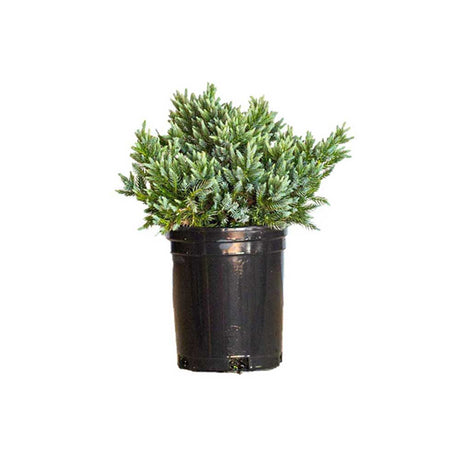
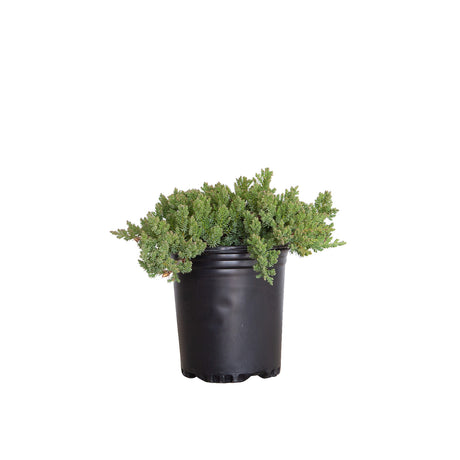
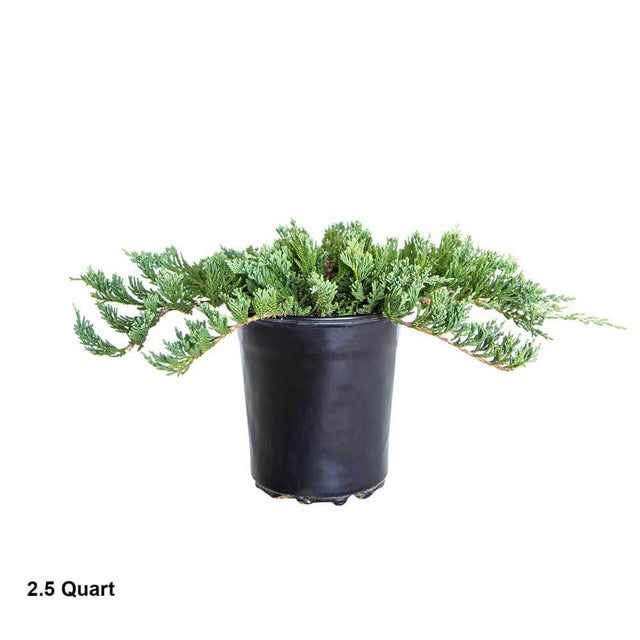
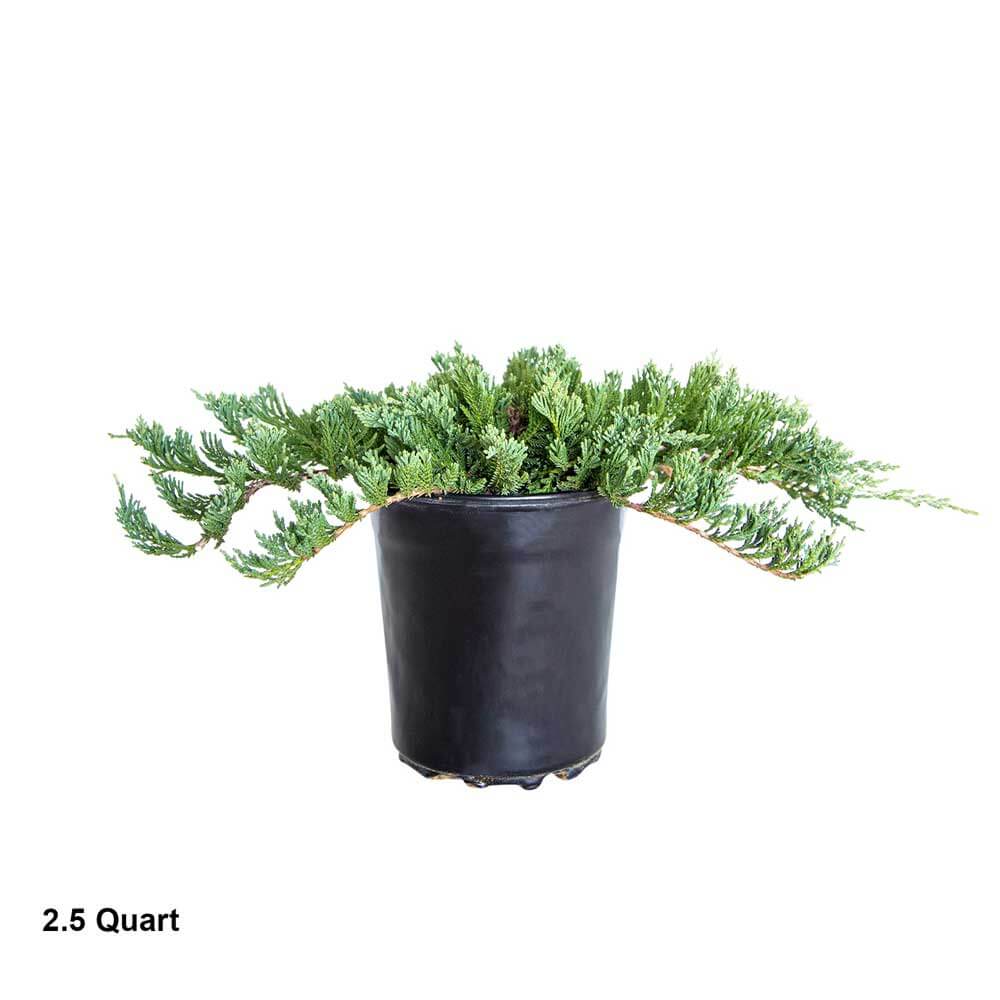
Blue Rug Juniper

$17.99
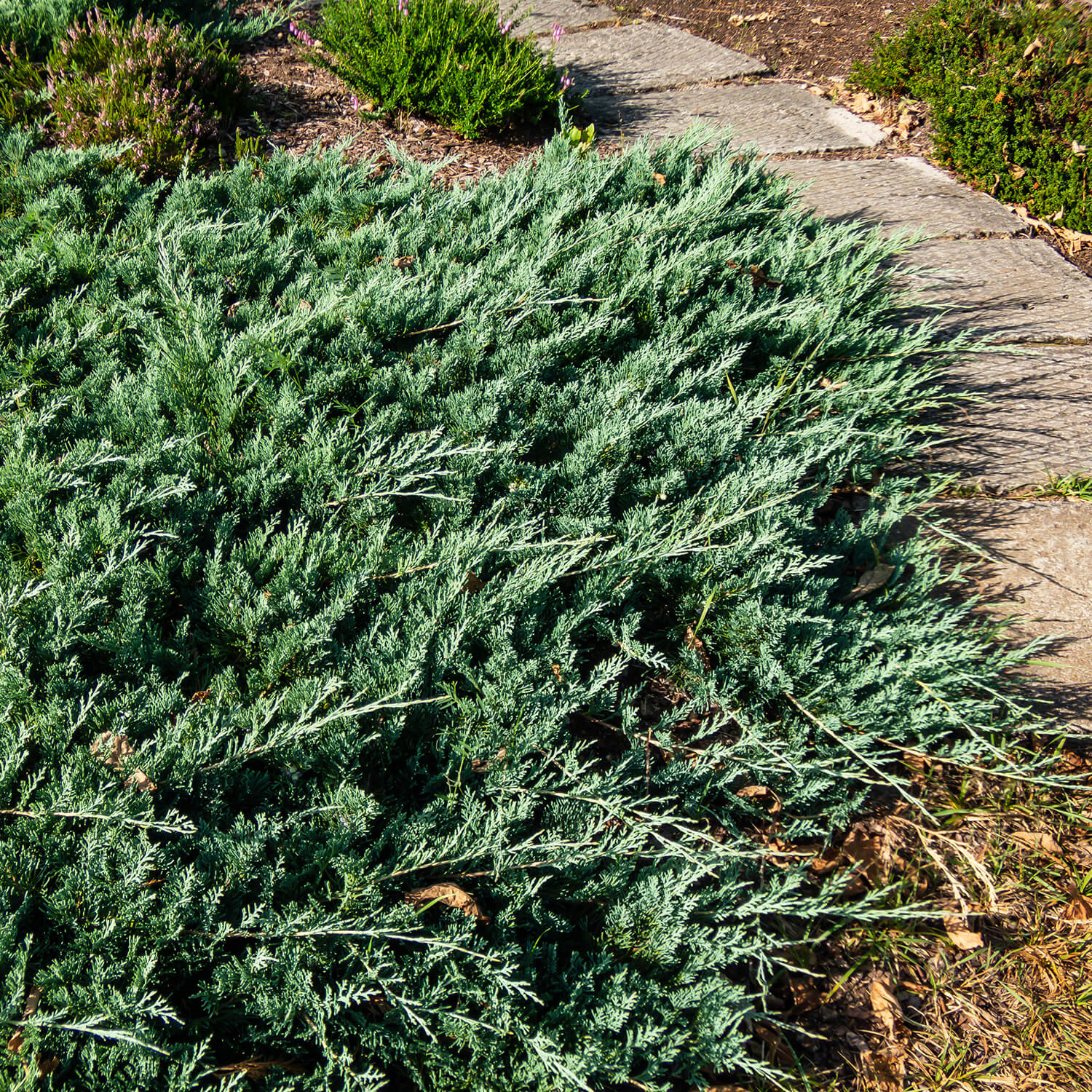
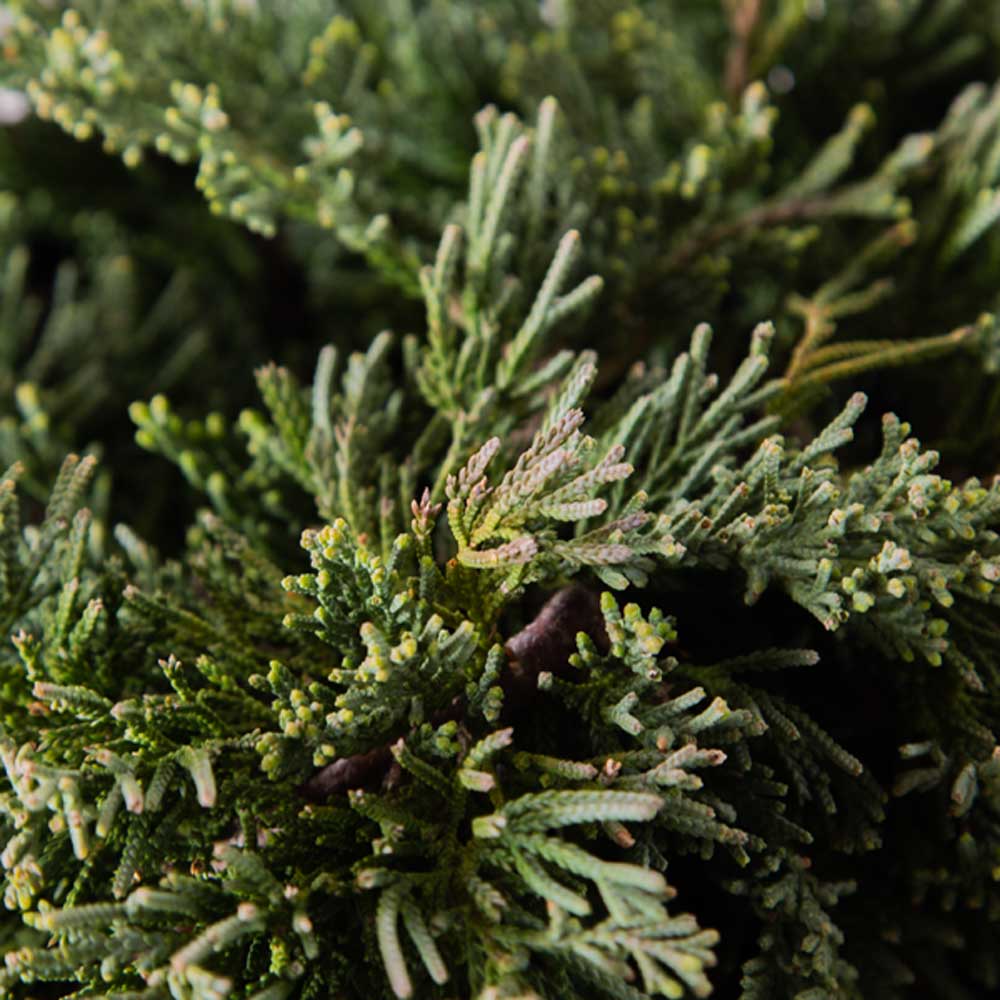
  • Groundcover juniper with low trailing habit and short needle-like silvery-blue foliage
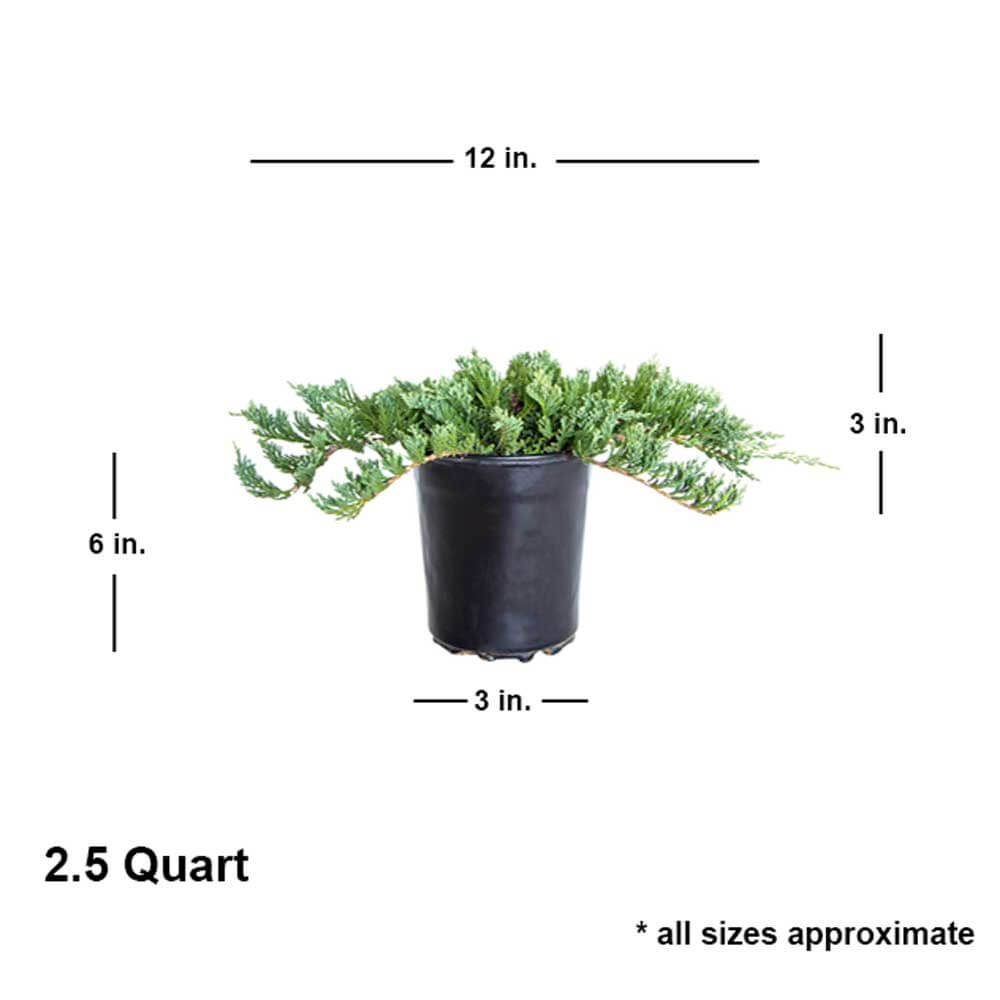
  • Matures to 6-8' wide by 1' tall
  • Hardy in USDA Zones 3 - 9
  • Plant in full sun
  • Cannot Ship to CA
Pot size

Description

The Blue Rug Juniper (Juniperus horizontalis ‘Wiltonii’) is a low-growing evergreen that rolls across the landscape like a cool silver-blue carpet. This hardy ground cover juniper is loved for its trailing habit, soft blue-green foliage, and ability to bring year-round color to slopes, rock gardens, borders, and difficult sunny spaces where many plants struggle.

Botanically known as Juniperus horizontalis ‘Wiltonii’, this rugged creeping juniper stays low to the ground while spreading outward to create a dense, textured mat. Gardeners may also search for it as Juniper Wiltonii, rug juniper, horizontal juniper, or creeping cedar, but they are often looking for the same thing: a tough, beautiful evergreen groundcover that can handle sun, heat, dry soil, and challenging terrain.

Blue Rug Juniper is especially useful for erosion control on sunny slopes and hillsides. Its spreading branches help cover exposed soil, soften hard edges, and create a living layer of color over banks, retaining walls, rocky terrain, and wide-open garden beds. The silvery foliage also pairs beautifully with stone, gravel, ornamental grasses, coneflowers, sedum, yucca, and other drought-tolerant plants used in xeriscaping.

This low-maintenance evergreen thrives in full sun and performs best in well-drained, sandy, or rocky soil. Once established, it becomes drought-tolerant and salt-tolerant, making it a strong choice for dry landscapes, coastal-style plantings, roadside beds, and areas where irrigation is limited.

Whether you are searching for a practical answer to how to plant juniper on a hill or simply want a cool-toned evergreen to spill through a sunny border, Blue Rug Juniper delivers dependable texture, beauty, and resilience with very little upkeep.

Care & Use

Blue Rug Juniper is hardy in USDA Zones 3–9, making it one of the most cold-hardy evergreen groundcovers for sunny landscapes. It holds its color through the seasons and provides year-round structure in garden beds, borders, slopes, and rock gardens.

Plant Blue Rug Juniper in full sun. Choose a location that receives at least 6 hours of direct sunlight per day. Full sun helps the plant maintain its dense, low habit and best silvery-blue foliage color. Too much shade can lead to thinner growth and a less uniform groundcover effect.

This Juniperus horizontalis variety prefers well-drained soil. Sandy soil, rocky soil, gravelly beds, and average garden soil can all work well as long as water drains freely. Avoid planting Blue Rug Juniper in soggy or poorly drained areas, as wet soil can lead to root problems. It is especially well suited for slopes, rocky terrain, raised beds, and xeriscape-style plantings.

Water regularly during the first growing season to help the roots establish. Keep the soil lightly moist but never waterlogged. Once established, Blue Rug Juniper becomes drought tolerant and generally needs supplemental water only during long dry spells or extreme heat. Plants in containers may need more frequent watering than plants in the ground.

Fertilizer needs are minimal. If growth appears slow or foliage color looks dull, apply a balanced, slow-release fertilizer in early spring. Avoid heavy feeding, as Blue Rug Juniper naturally grows at a steady, spreading pace and does not need rich soil to perform well.

Pruning is rarely needed. Trim only to remove dead, damaged, or wayward branches, or to keep the plant from growing over walkways, steps, or garden edges. Prune lightly in late winter or early spring before new growth begins. Avoid cutting into old bare wood, as junipers may not fill back in from heavily pruned stems.

Use Blue Rug Juniper as a ground cover juniper, slope stabilizer, rock garden plant, border edge, retaining wall spiller, xeriscape evergreen, or low-maintenance planting for sunny, dry areas. It is also a smart choice for erosion control on hillsides where traditional grass is difficult to mow and maintain.

How to Plant a Groundcover Shrub

Give your new shrub the best start by following our simple planting steps. From digging the right-sized hole to proper watering and mulching, setting your plant up for success is easy with a few key tips. Visit our complete guide to learn how to plant a shrub

Spacing Recommendations

Blue Rug Juniper is hardy in USDA Zones 3–9, making it one of the most cold-hardy evergreen groundcovers for sunny landscapes. It holds its color through the seasons and provides year-round structure in garden beds, borders, slopes, and rock gardens.

Plant Blue Rug Juniper in full sun. Choose a location that receives at least 6 hours of direct sunlight per day. Full sun helps the plant maintain its dense, low habit and best silvery-blue foliage color. Too much shade can lead to thinner growth and a less uniform groundcover effect.

This Juniperus horizontalis variety prefers well-drained soil. Sandy soil, rocky soil, gravelly beds, and average garden soil can all work well as long as water drains freely. Avoid planting Blue Rug Juniper in soggy or poorly drained areas, as wet soil can lead to root problems. It is especially well suited for slopes, rocky terrain, raised beds, and xeriscape-style plantings.

Water regularly during the first growing season to help the roots establish. Keep the soil lightly moist but never waterlogged. Once established, Blue Rug Juniper becomes drought tolerant and generally needs supplemental water only during long dry spells or extreme heat. Plants in containers may need more frequent watering than plants in the ground.

Fertilizer needs are minimal. If growth appears slow or foliage color looks dull, apply a balanced, slow-release fertilizer in early spring. Avoid heavy feeding, as Blue Rug Juniper naturally grows at a steady, spreading pace and does not need rich soil to perform well.

Pruning is rarely needed. Trim only to remove dead, damaged, or wayward branches, or to keep the plant from growing over walkways, steps, or garden edges. Prune lightly in late winter or early spring before new growth begins. Avoid cutting into old bare wood, as junipers may not fill back in from heavily pruned stems.

Use Blue Rug Juniper as a ground cover juniper, slope stabilizer, rock garden plant, border edge, retaining wall spiller, xeriscape evergreen, or low-maintenance planting for sunny, dry areas. It is also a smart choice for erosion control on hillsides where traditional grass is difficult to mow and maintain.

  • Scientific Name
    Juniperus horizontalis 'Wiltonii'
  • Hardiness Zone
    3, 4, 5, 6, 7, 8, 9
  • Sun Exposure
    Full Sun
  • Evergreen or Deciduous
    Evergreen
  • Features
    Heat Tolerant, Sun Loving
  • Feature Color
    Blue, Green
  • Uses
    Border, Container, Groundcover
  • Water Needs
    Medium
  • Bloom Season
    None

Growing Zones : 3, 4, 5, 6, 7, 8, and 9

Map of USDA Zones 3-9